
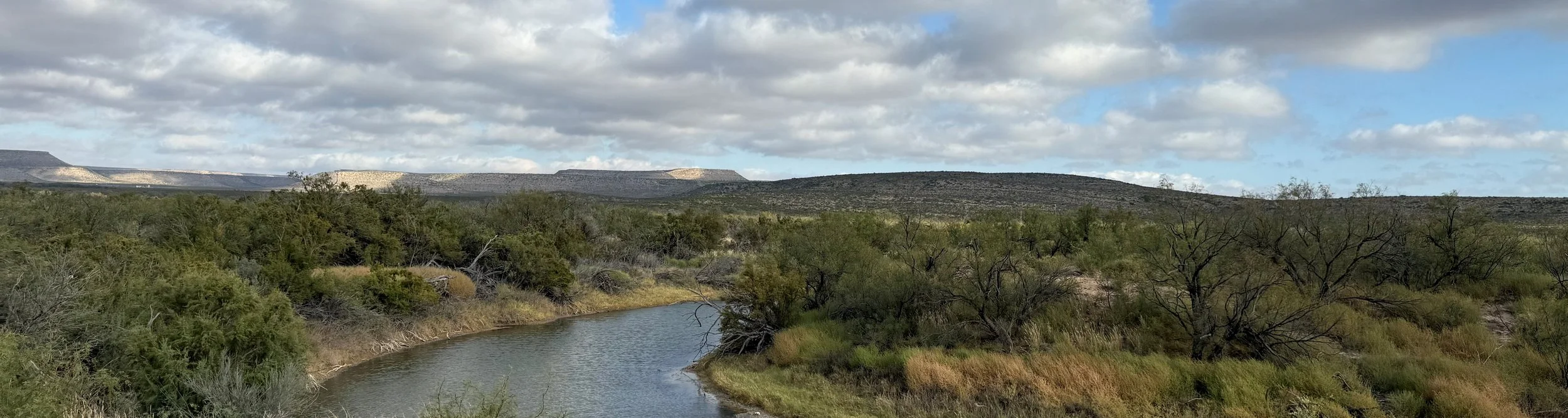
Land Stewardship and Community Engagement
One of the best things we can do to revive the river is to nurture the people and lands that support it. We bring community members and land stewards together to learn, share and deepen relationships. It’s challenging in a rural region where folks are spread far apart. We are participating in community events, hosting educational programs, and gathering friends in small groups.
YOU ARE NOT ALONE. We envision a network of involved people along the river sharing stewardship strategies, improving wildlife habitat for hunting and fishing, enjoying recreational activities, spreading alerts to issues, collaborating, and deepening friendships.
Land stewards and community members are all part of the river’s ecosystem; everyone can nurture the river for future generations in their own way.
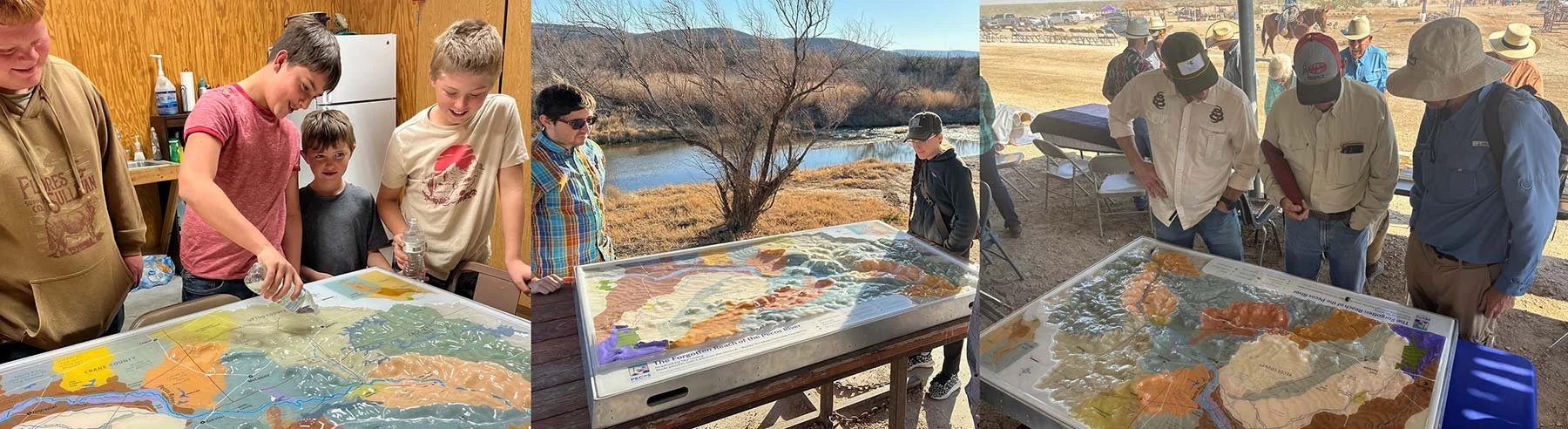
3D Model of the Forgotten Reach of the Pecos River
A great map pulls you in, tells a story and creates a conversation. That’s exactly what our 3D model of the Forgotten Reach of the Pecos River does. With a grant from the James A. Buddy Davidson Charitable Foundation, we created a beautiful educational tabletop map of the Forgotten Reach of the Pecos River.
This project was inspired by Sky Lewey, one of our founding board members. Sky understood river systems and had a unique passion and ability to attract people, and to inspire them to learn about river function and river health. Our 3D model features historic and natural features, sub-watersheds and topography. The model is designed to create curiosity and to deepen our shared understanding of the river system’s connections. If you would like us to bring the model to an event or gathering, please let us know. A printable version of the map can be downloaded here.
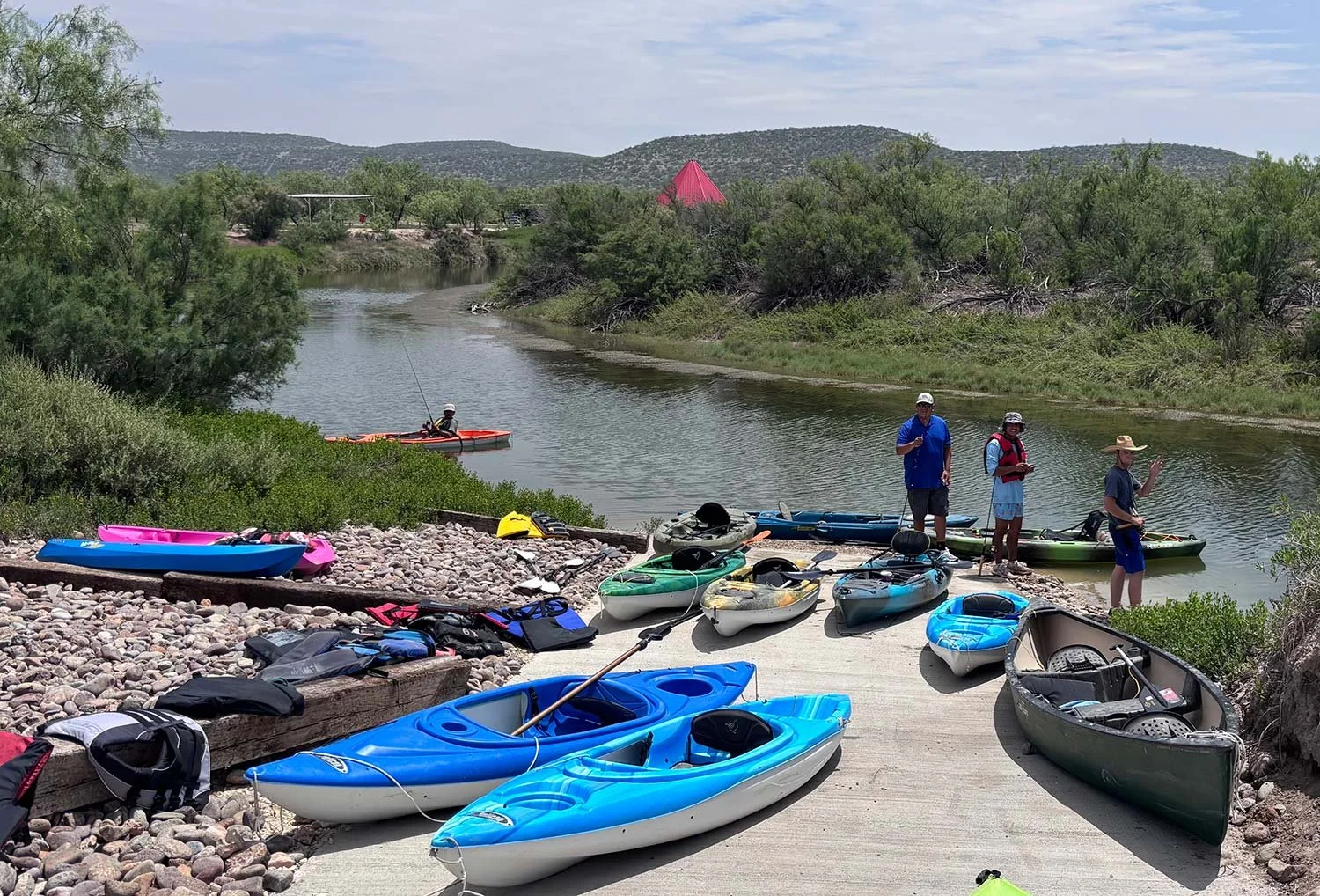
Gatherings
Friends of the Pecos River has been hosting gatherings of all sizes. The Iraan Pecos River Park is the perfect spot for picnics, youth education and paddles. We’ve hosted workshops on science and research projects, and land stewardship strategies at the Scout Hutt in Iraan. We hosted a community get-together at the Buena Vista ISD in Imperial, and we regularly participate in events like Waters of West Texas in Pecos, The Horsehead Crossing history weekend, and Alley Oop festival.
We are partnering with the Texas Produced Water Consortium to host a Town Hall gathering on October 2nd, about Treated Produced Water and beneficial reuse strategies in the Pecos Basin. We are also hosting a Stewardship Field Day at Quail Ranch on October 9th with our partners at ConocoPhillips, Rio Grande Joint Venture and Ducks Unlimited.
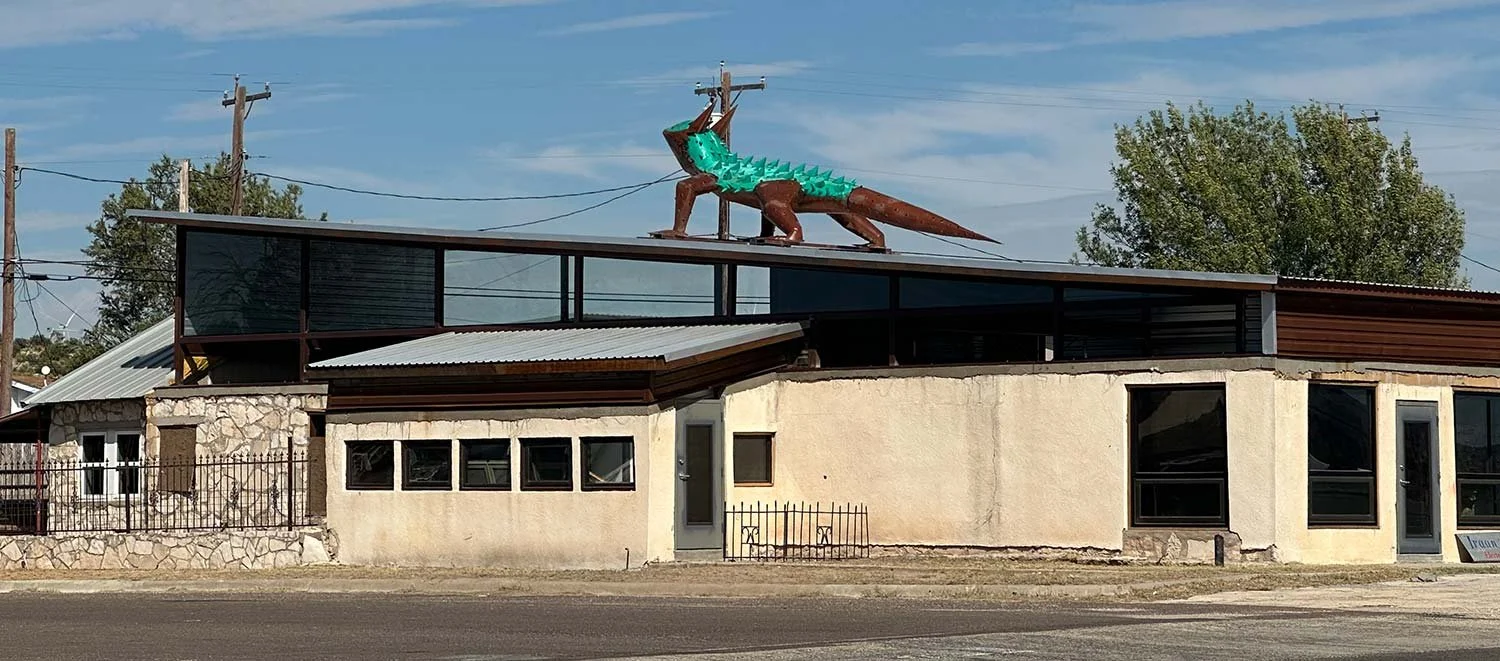
In Iraan—in the center of town—a new gathering place is soon to open. Under the horned toad lizard will be an interpretive center and meeting space for events of all kinds. Stay tuned.
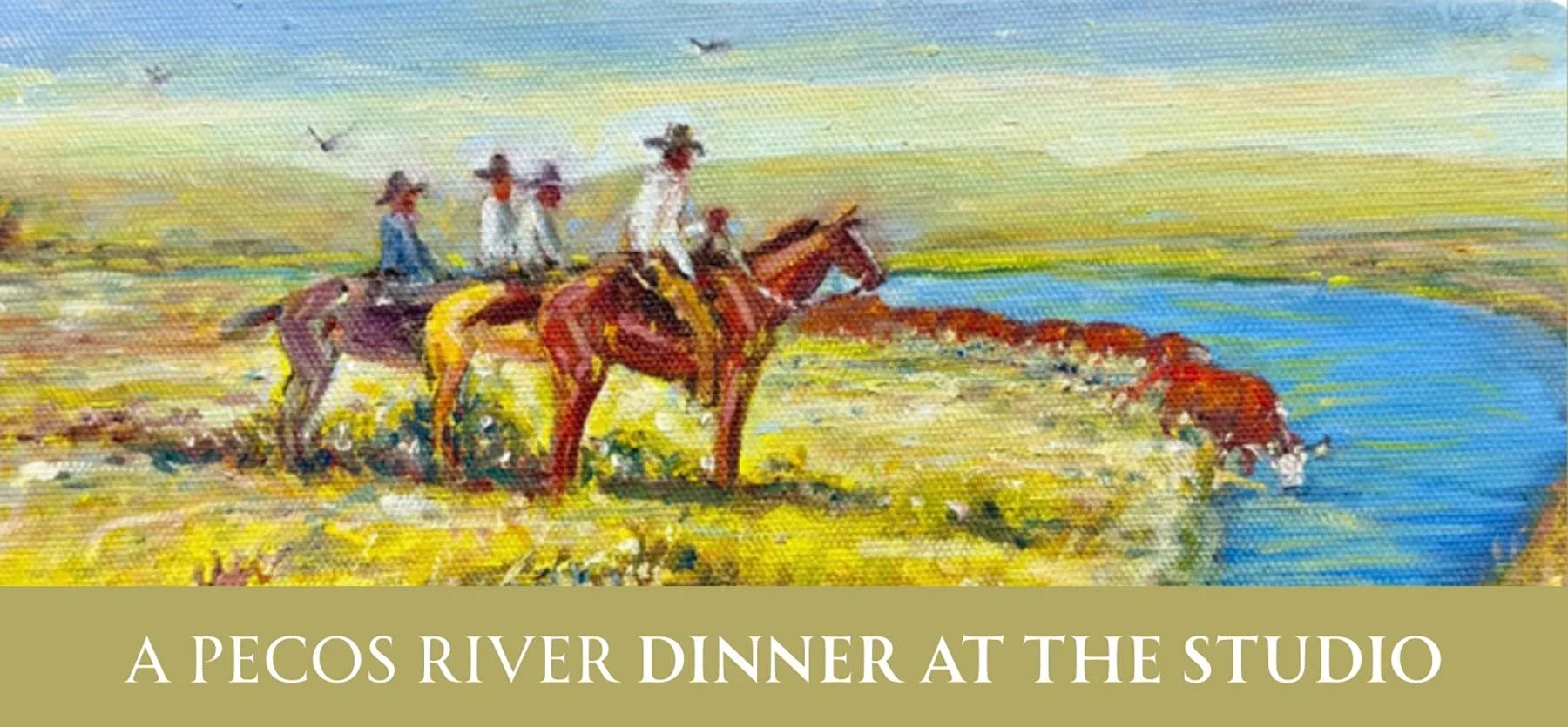
We’ve also started a small dinner party tradition at Mike Capron’s Art Studio in Sheffield as well as landowner gatherings on private ranches where folks can share ideas and learn from each other in an intimate and comfortable setting. Please don’t hesitate to reach out about getting involved. We are open to ideas and here to help.
On the Land
What we are learning is that most folks share the desire to grow more grass and to remove woody invasives. Fortunately for the Pecos River, regenerating grasslands is also great for the river! What happens on the land today matters to future generations.
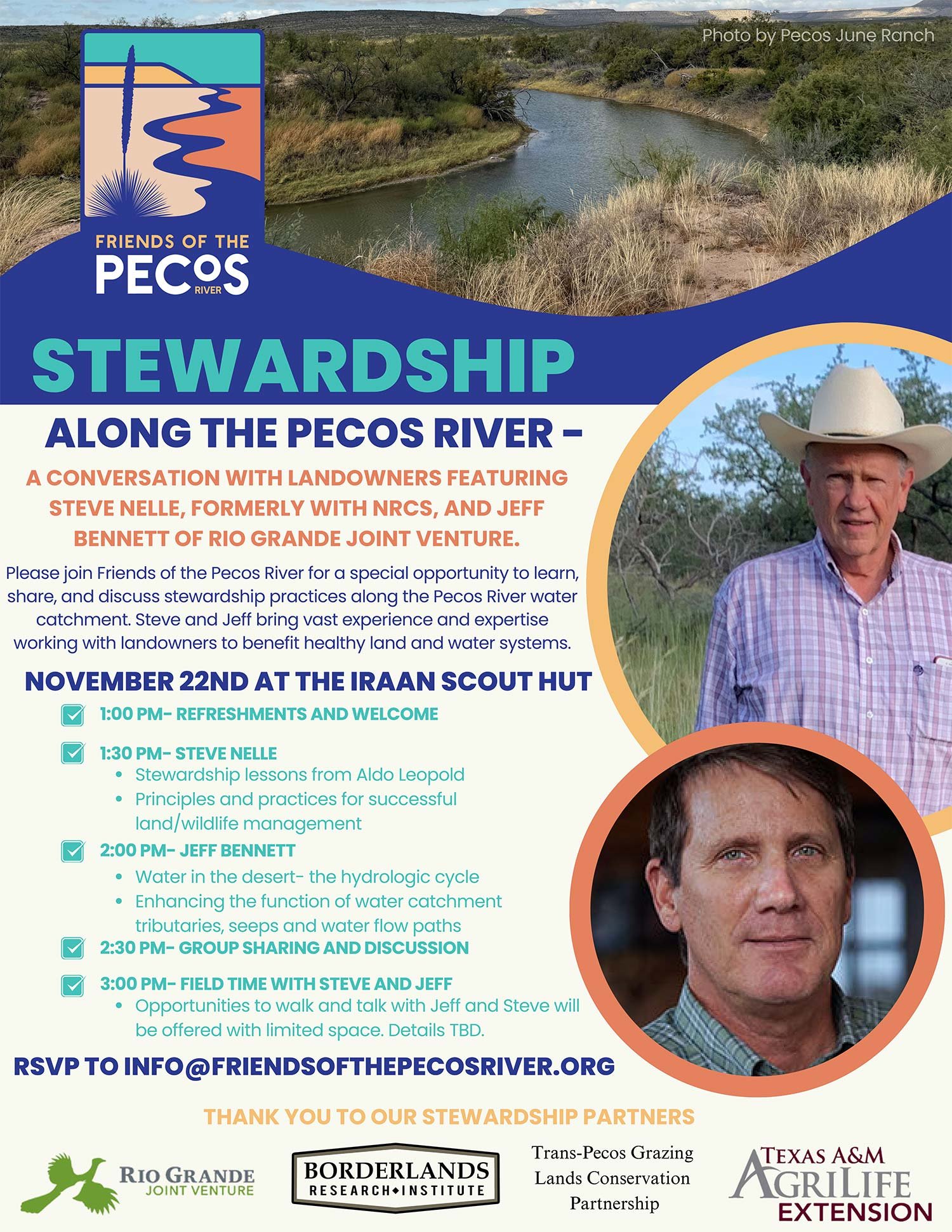
We are not the experts; however, we are striving to bring together land managers, landowners and conservation specialists from agencies and NGO’s so that more support and technical guidance can be available here on the Forgotten Reach.
Along the riparian areas deep rooted plants that stabilize banks, diversity of native species, habitat for aquatic life, and limited livestock access to the riverbank are key.
In the uplands, rangeland management strategies that remove unwanted brush, encouraging Chihuahuan Desert grasses, structures that slow, spread and sink water will improve water infiltration.
Working with our trusted partners, we aim to create resources to support the goals of land stewards in our region.
The Meadows Research Institute for West Texas Water is housed at Sul Ross State University to bring together research, education, and technical expertise to advance resilient water systems across the Trans-Pecos. “At the intersection of science, land stewardship, and community need, they help communities and landscapes adapt, endure, and thrive in one of Texas’ most water-limited regions.”
Rio Grande Joint Venture (RGJV) is a Migratory bird habitat conservation partnership based in South and West Texas, serving the Chihuahuan Desert and Tamaulipan brushlands regions in both the US and México. The RGJV team specializes in conservation delivery and science and monitoring, providing landowners and land managers with technical guidance, cost share opportunities, and educational programs. RGJV focuses on grasslands and stream restoration projects to improve bird habitats and boost ecosystem services that support wildlife, streams and people.
Borderlands Research Institute (BRI) is part of Sul Ross State University in Alpine. Advancing Conservation in the Borderlands - Field-driven research, hands-on student training, and collaborative conservation for the future of West Texas. The Range and Wildlife Management program at Sul Ross was founded over 50 years ago on a simple notion “to obtain practical information to benefit land management decisions.” Landowner assistance programs include technical guidance, cost share opportunities, research, collaboration and education.
The Texas Conservation & Sustainability Initiative is a U.S. Department of Agriculture (USDA) funded initiative lead by Texas A&M that aims to work with agricultural producers across the state of Texas to improve soil health and resiliency. The program offers technical and financial assistance to producers who are already implementing, or would like to implement, select conservation practices. After an initial application screening call, producers work with a conservation planner to create a management plan and contract. Management plans and contracts are for 2 years - 2026 and 2027. During this time, Texas A&M will conduct soil sampling to help examine the efficacy of the conservation practices. These soil health data are communicated back to producers to help inform management and also used by Texas A&M for wider, statewide research. Applications are accepted on a rolling basis.
The Water Quality Management Plan (WQMP) Program is a voluntary program that helps Pecos River landowners protect water quality while supporting productive farming, ranching, and other agricultural operations. Developed through a partnership between the Texas State Soil and Water Conservation Board (TSSWCB) and local Soil and Water Conservation Districts (SWCDs), a WQMP provides a site-specific conservation plan that identifies practical management practices to reduce runoff, prevent soil erosion, and minimize nonpoint source pollution from reaching the Pecos River and its tributaries. By implementing these conservation practices, landowners can help preserve local water resources while maintaining the long-term productivity of their land.
Texas Parks and Wildlife Department’s Conservation Stewardship Program, is a voluntary program that provides financial and technical assistance to producers who practice good stewardship on their agricultural lands and incentives for addressing additional resource concerns.
The Texas Parks and Wildlife Department also employs wildlife biologists who are available to assist landowners on request. To find a TPWD biologist in your county click here.
Natural Resources Conservation Service(NRCS), is a federal program through the US Department of Agriculture.
Find your local Texas Soil and Water Conservation District here.
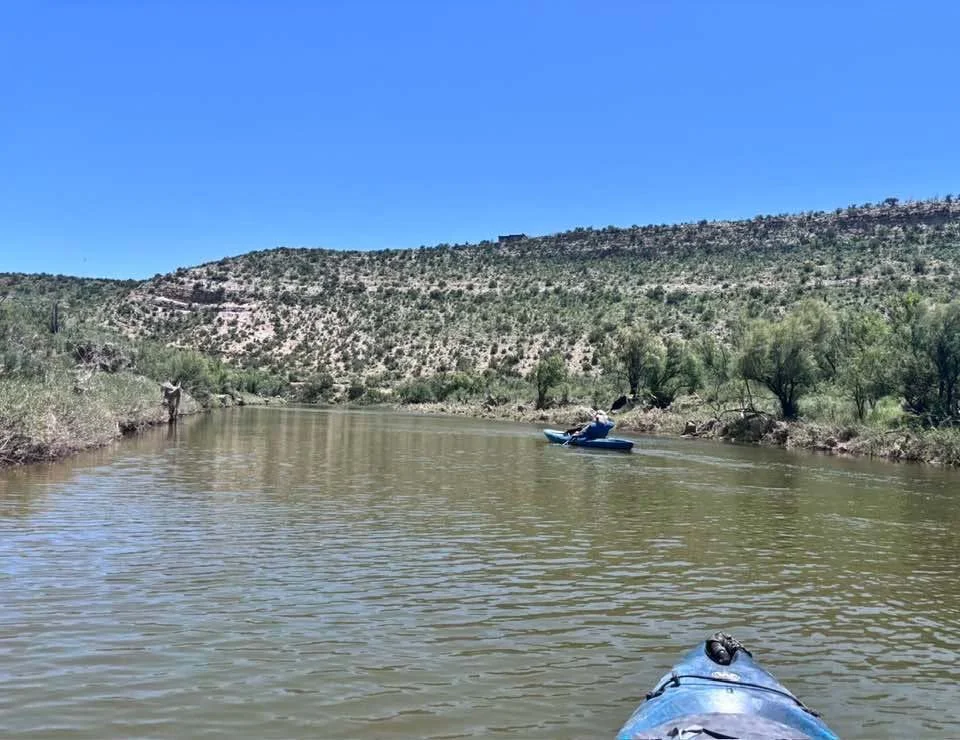
“I love that old Pecos River.
It taught me to swim.”
—Delmon Hodges, who learned to swim in the Reeves County reach in the 1930s, excerpted from Bitter Waters: The Struggles of the Pecos River